Begin with instant readability
Character silhouette, expression and main action are clear enough that words are not the only entrance to the story.
Complete free archive
Children's picture book style uses clear characters, gentle color, readable composition and story details so the image feels like a small stage children can revisit.
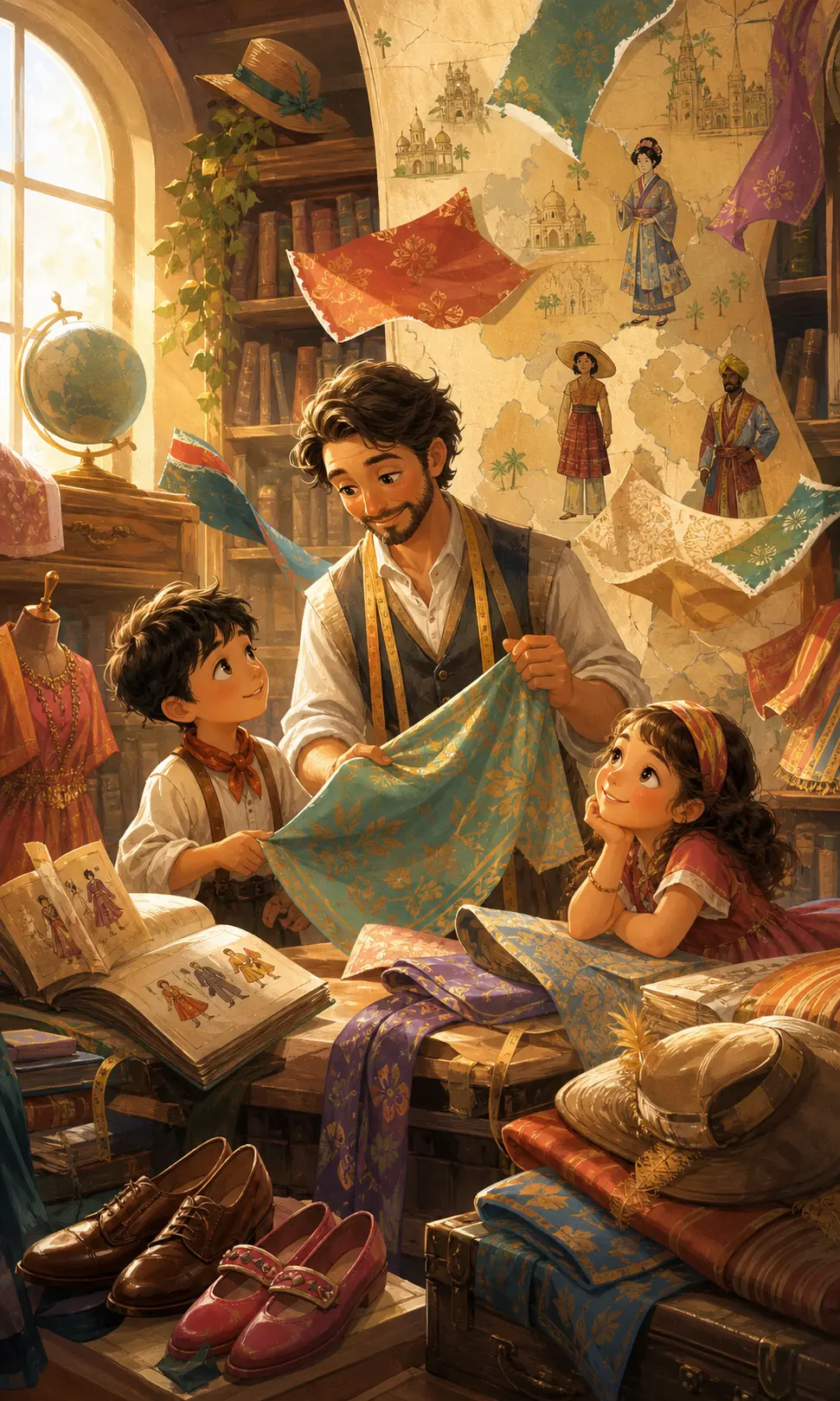
If you could not read yet, could color, action and the page turn tell you what happens next?
Character silhouette, expression and main action are clear enough that words are not the only entrance to the story.
One page sets direction or expectation; the next answers through scale, color or outcome.
Small background characters, objects and motifs reward rereading without stealing the main thread.
These are comparative observation levels, not ratings of artistic value or quality.
Ask whether it can tell one page of story: what is the character doing, what might happen next, and does the background help a child read the emotion?
It must serve children and adults at once: children need instantly readable characters and actions, while adults need emotional and visual richness. Line, color and detail must be gentle and clear.
Like the warmest page of a bedtime story: simple, but every corner holds a clue.
Place common objects at a child's eye level and use picture labels for finding and returning them.
Use one recognizable main color and clear silhouette, then add a small discoverable detail.
Photograph everyday action from a lower view so ordinary furniture feels large and storied again.
See how toy packs, child-facing signs and picture books show action in image before words add detail.
Shared qualities: Both make images work with words and invite readers into complex content.
Different choices: Picture books build a child's reading experience through page sequence, character and repetition; editorial illustration often distills one article or opinion into a visual metaphor.
Shared qualities: Both can use gentle characters, warm color and small daily events to create safety.
Different choices: Picture books are publishing narratives controlled by page turns and text-image relation; healing animation extends companionship through time, sound and motion.
Children's picture book original illustration, gentle hand-drawn lines, soft warm palette, clear lovable original character, animal or child in cozy interior or garden scene, story details, paper plus watercolor or colored-pencil texture, bedtime-story mood, not copying specific picture-book characters
Avoid horror, adult themes, over-realism, messy complex backgrounds, real IP characters, imitating a living illustrator's full recognizable style
Picture books matured through printing, children's publishing, educational ideas and illustration traditions. Since the 20th century, creators such as Maurice Sendak, Beatrix Potter and Eric Carle showed that picture books can tell stories and build independent visual worlds.
Which small detail would make you look at this page again?