First, locate the light source
Backlight, side light and broad cloud shadows separate figure and setting into depth while signaling time and weather.
Complete free archive
Japanese animated film lighting uses sky, city, backlight, clouds, glass reflection and delicate color to create youth, distance and the feeling of time passing.
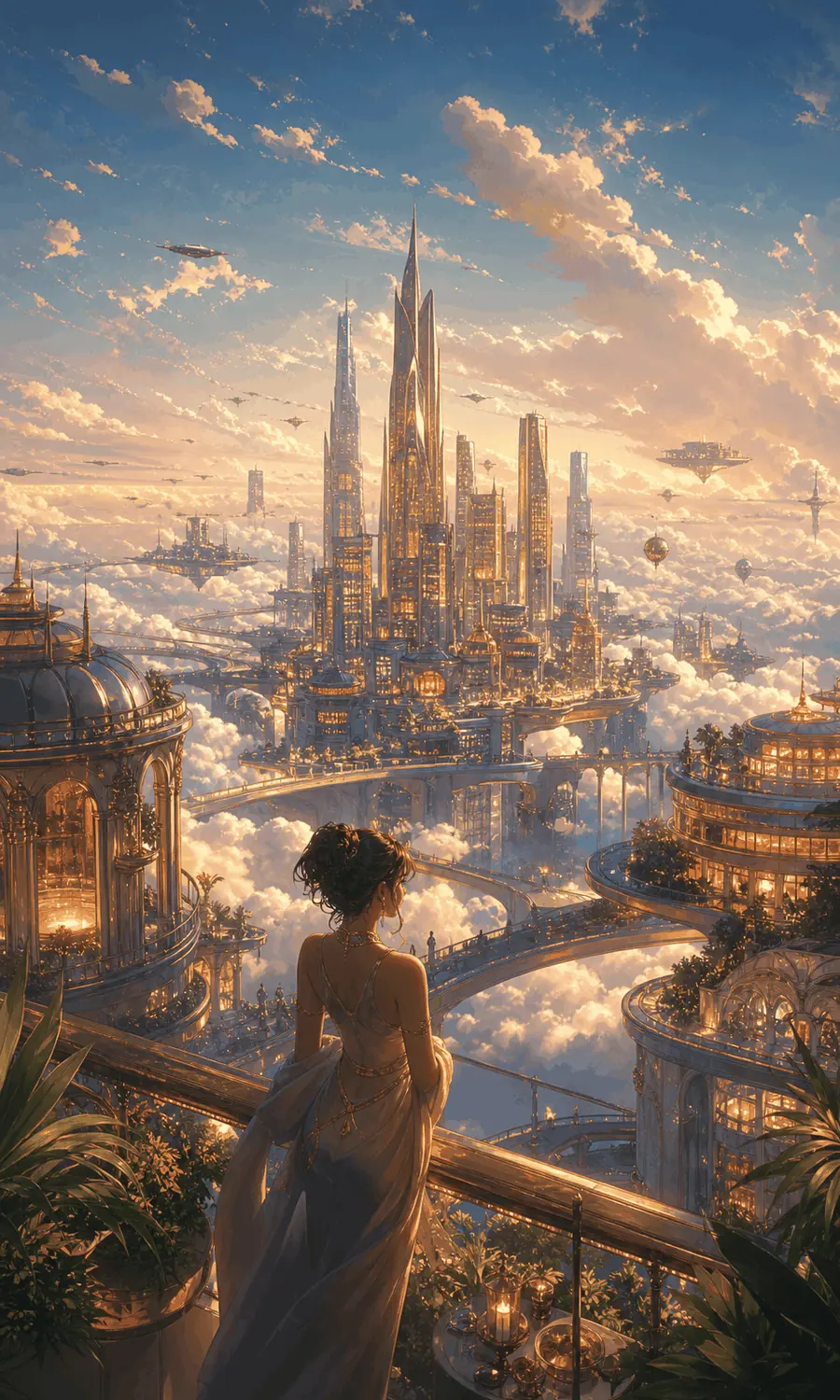
When light appears through a doorway, train window or cloud, is it merely illuminating the scene or marking the moment as important?
Backlight, side light and broad cloud shadows separate figure and setting into depth while signaling time and weather.
Rain, dust, snow, mist or glare becomes a visible layer, so space no longer feels empty.
Foreground occlusion, distant scale and off-center figures make the image feel like a selected film shot.
These are comparative observation levels, not ratings of artistic value or quality.
Do not judge it by whether it resembles a named director. Look for layered sky, backlit silhouettes, city detail and youthful emotion working together.
It often uses sky and light to carry emotion because animation can precisely control weather, clouds, lens glow and city detail. Characters do not need to shout; environmental light speaks for them.
Like a backlight outside an evening station illuminating sky, city and unspoken feeling.
Notice how light through a door, blinds or the end of a corridor gives an ordinary space a sense of timing.
Observe how translucent fabric, rim light and dark silhouette change depth under environmental light.
Photograph after rain, at dusk or beside a vehicle window, letting reflections and atmosphere work with the figure.
See how one beam turns a glass, phone screen or metal edge into a sudden focal point.
Shared qualities: Both use weather, place and small gestures to make animated worlds feel lived in.
Different choices: Pastoral hand-drawn animation stresses slow daily life and natural micro-motion; cinematic lighting stresses light source, shot scale, atmosphere and dramatic moment.
Shared qualities: Both use strong light, occlusion and cinematic viewpoints to drive mood.
Different choices: Japanese animated-film lighting can be bright, tender or radiant and is not tied to suspense; Noir Illustration centers crime genre, dark cities and uneasy contrast.
Cinematic Japanese animation lighting, original urban youth scene, evening sky and layered clouds, backlit character silhouette, train station or street glass reflections, clean delicate color, atmospheric perspective, high-resolution animated background feel, no living director or specific studio named, not copying a film frame
Avoid naming Makoto Shinkai or any living director/studio style, avoid copying specific film scenes, character uniforms, low-quality anime faces, excessive HDR and cheap lens flare
This language comes from Japanese animation's long development of background painting, compositing, color scripting and digital post-production. It is not one living director or studio, but a broader cinematic anime lighting vocabulary.
If the figure disappeared, would the light and air still make you feel that a story is happening?