Begin with mass-image sources
Packaging, comics, celebrity photos and slogans enter the image, turning ordinary reproduced pictures into things to examine.
Complete free archive
Pop Art Poster brings comics, advertising, celebrities, products and saturated color into art, as if mass culture has been enlarged into a loud poster.
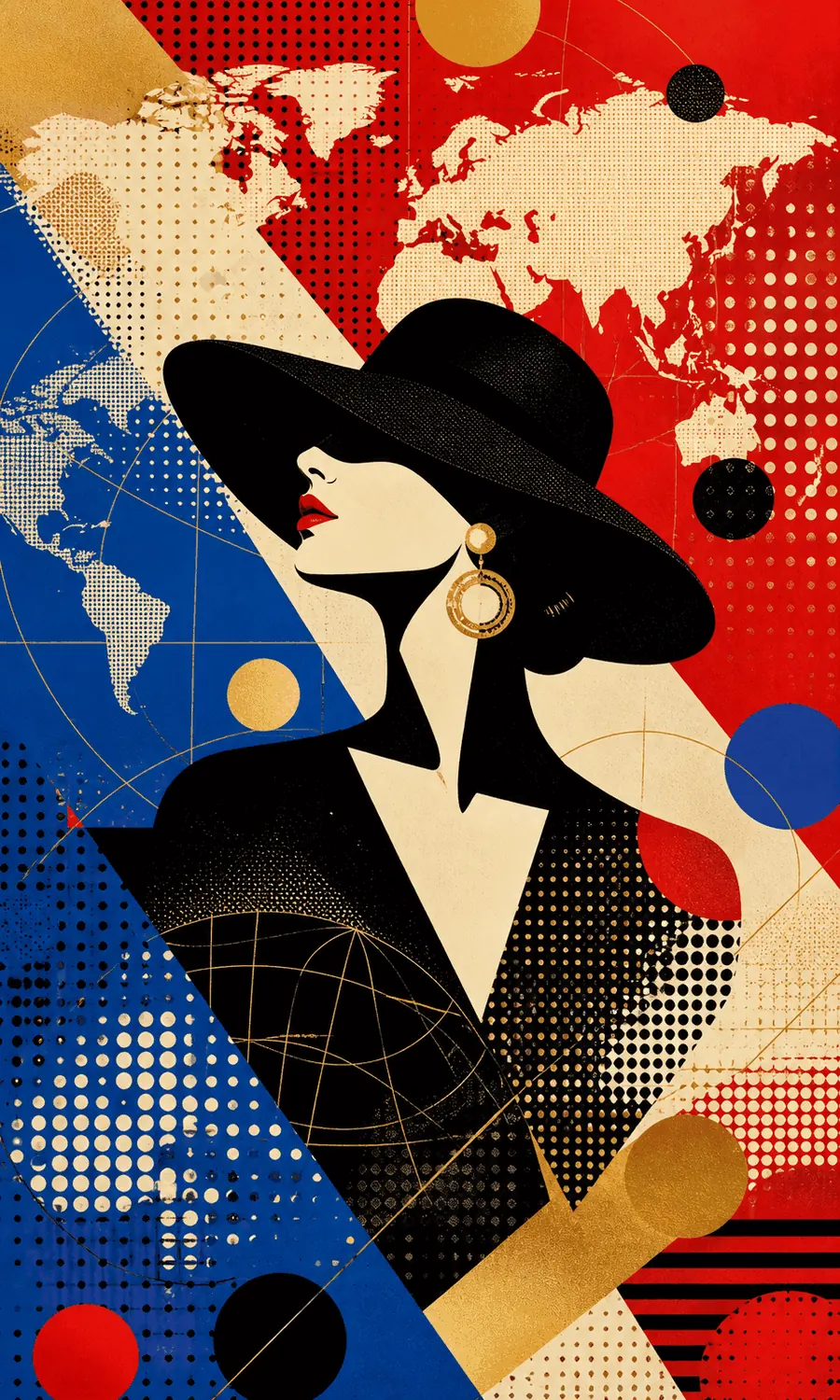
When images like ads or comics are enlarged, do you see familiar pleasure, or echoes of consumer imagery?
Packaging, comics, celebrity photos and slogans enter the image, turning ordinary reproduced pictures into things to examine.
The same object, face or dot pattern is enlarged, repeated or mechanically copied, making the gap between artwork and consumer image visible.
Bright color and black contour can feel friendly, yet they also remind us how everyday desire is organized by media.
These are comparative observation levels, not ratings of artistic value or quality.
Look for copy-like repetition: a face, product or symbol repeated, enlarged or recolored until it feels both like an ad and a joke.
It is not just cute. It asks what modern images are when products and celebrities surround us daily. Ben-Day dots, repetition and exaggerated color make commercial imagery loud, attractive and absurd.
Like a convenience-store shelf and comic panel exploding at once: bright, repeated and slightly ironic.
Notice how food packaging, calendars and magnets turn ordinary product images into color rhythm in a room.
See how large graphics, halftone dots and slogans make clothing feel media-like while avoiding real brands or celebrity faces.
Photograph shop windows, vending machines and repeated ads so the arrangement of consumer images becomes visible.
Look at cans, magazines and toy packaging creating familiarity through enlargement, repetition and vivid color.
Shared qualities: Both bring found images and everyday objects into artistic looking.
Different choices: Dada more directly questions art institutions and language authority; Pop Art Poster focuses on advertising, commodities, media reproduction and popular-culture surfaces.
Shared qualities: Both may use saturated color and strong poster presence.
Different choices: Pop Art Poster often uses clear contour, dots, repetition and consumer imagery; Psychedelic Poster seeks wavering contours, difficult type and immersive pattern.
Pop art poster, comic halftone dots, bold black outlines, saturated red yellow blue pink, repeated product-like symbols or original portrait, advertising headline, screenprint texture, humorous irony, original composition, no real brands or celebrity likenesses
Avoid real trademarks, real celebrity faces, low-quality comic screenshots, excessive 3D, copying a specific Warhol or Lichtenstein work
Pop art emerged in Britain in the 1950s and became highly visible in the United States in the 1960s. It drew from advertising, comics, consumer packaging, television and celebrity culture, bringing mass images into galleries and poster design.
Do these familiar images relax you, or make you aware of being trained by media?